
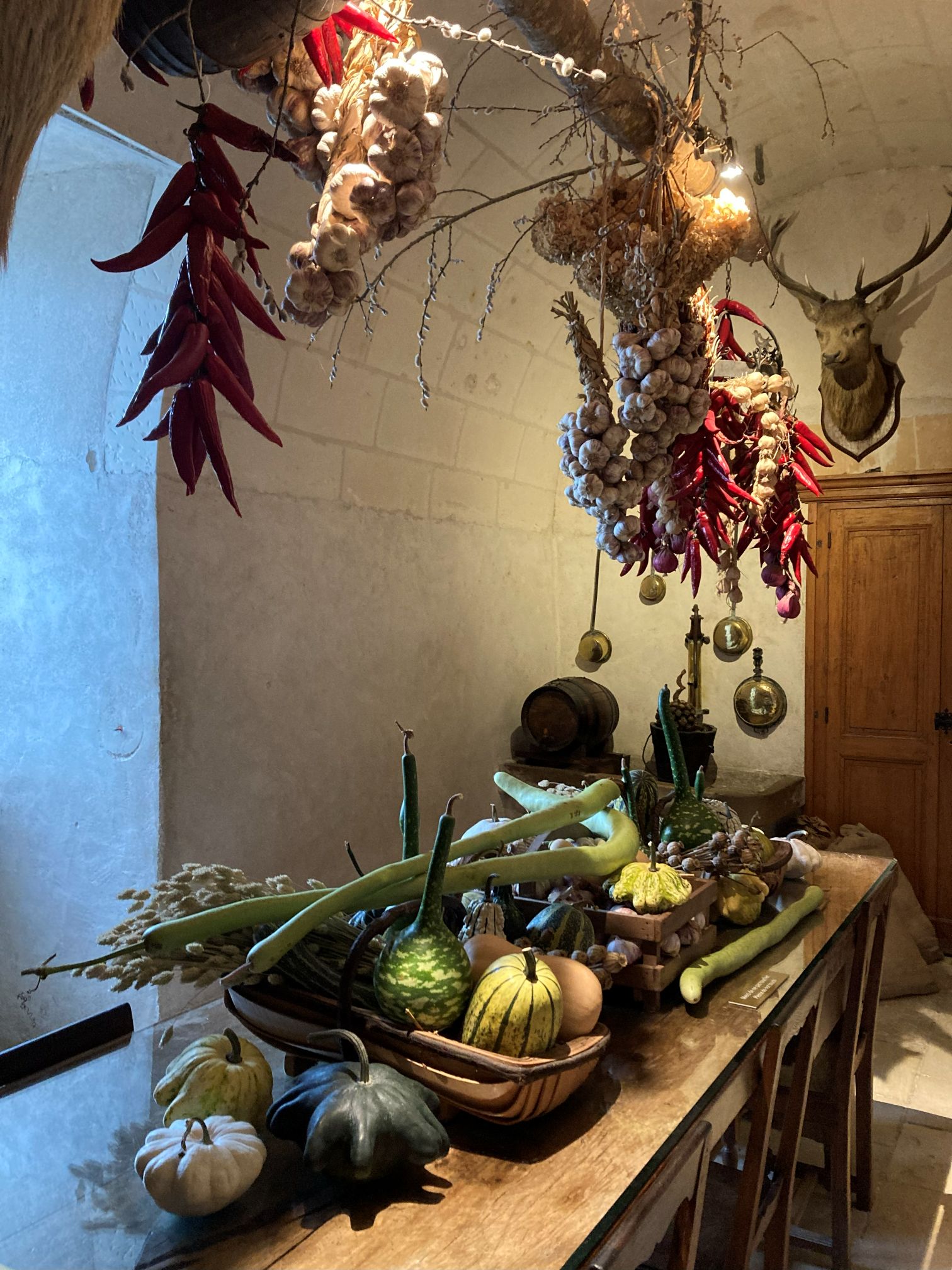
Nestled over the river Cher in the Loire Valley, Château de Chenonceau is not just one of France’s most picture-perfect castles — it’s a story in stone, water, gardens and heritage. If you’re planning your visit and want something more than a few pretty photos, this guide will walk you through what you’ll actually pay, decode what the ticket labels mean, share smart tips and layer in some lesser-known angles you can use for your travel videos. And explane the story of a chateau.
The Château de Chenonceau isn’t just another Loire Valley château — it’s the story of women who shaped its destiny, elegance, and power. Known as “Le Château des Dames”, it spans the River Cher like a dream suspended in time. Built, expanded, and ruled by women — from Diane de Poitiers to Catherine de’ Medici — it’s a place where history feels alive in every detail. At the end of practical informations I created for you you can read a little story that inspire and motivate to travel and explore places like this!
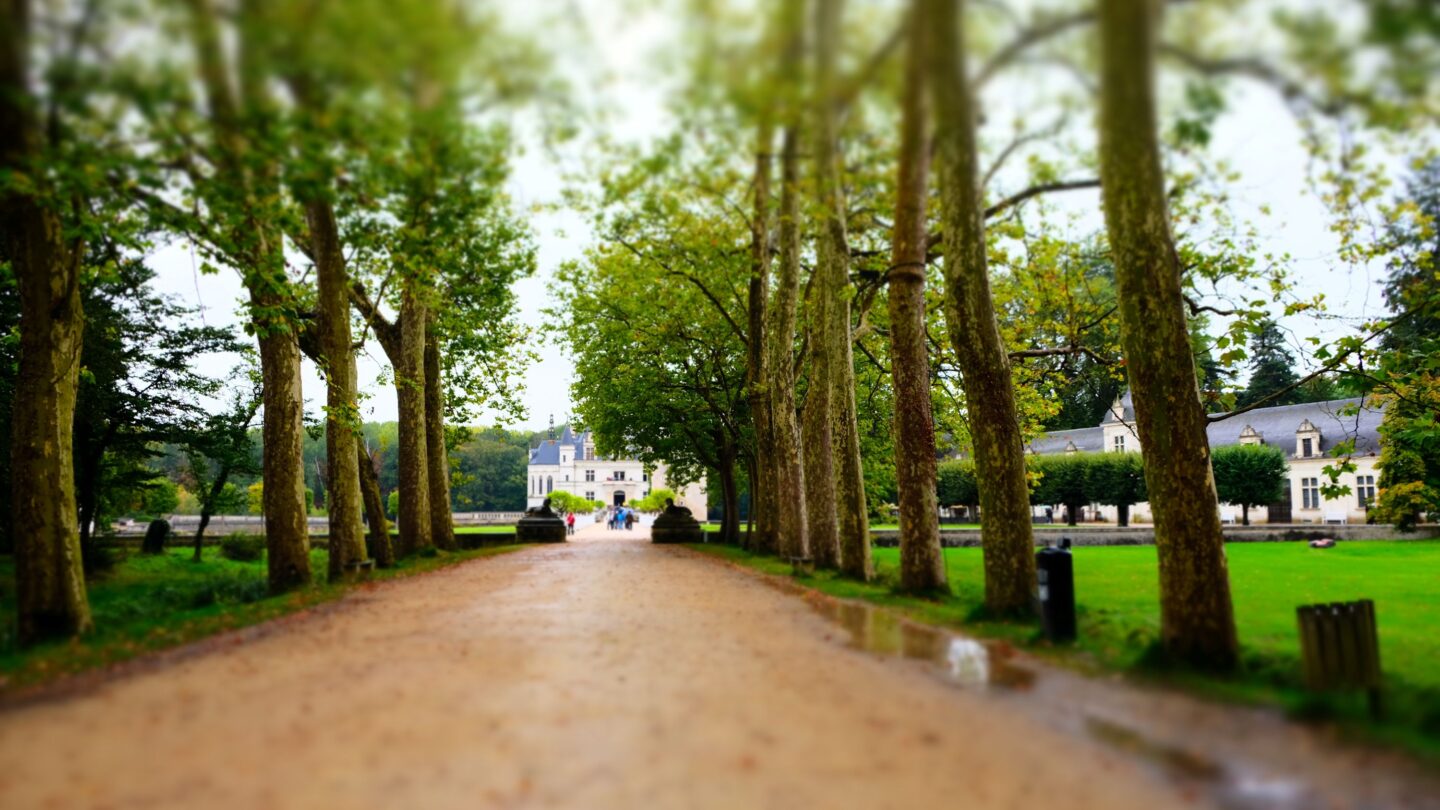
Costs & Ticket Types

Here are the most up-to-date ticket prices you’ll find on the official site. BOOK
- Adult (with printed guide leaflet) – €18.00.
- Senior (65+) (with leaflet) – €16.00.
- Adult (with audio-guide) – €23.00.
- Senior (65+) (with audio-guide) – €21.00.
- Student (with leaflet) – €16.00.
- Student (with audio-guide) – €21.00.
- Children (7-18) (with leaflet) – €15.00.
- Children (7-18) (with audio-guide) – €20.00.
- Children under 7 – Free admission (leaflet) according to official list.
- For groups (20+ people) there are reduced rates: leaflet €16, children/students €14, audio guide €19 (children/students €17).
While many tour-sites quote “from €18” or similar, it’s good to check directly for the latest day and season. France
What the Ticket “Labels” / Options Actually Mean
When you book your ticket, you’ll see differences — know what they imply.
- With guide leaflet: A printed explanatory leaflet (likely multi-language) which you can carry as you walk.
- With audio-guide: You rent an electronic device (or use your smartphone) for guided commentary throughout the visit. A good upgrade if you like hearing stories, not just reading.
- Free admission under 7 years old: Great for family trips, but note that “free” doesn’t always mean full access — check details (gardens + château).
- Reduced / Senior / Student: Make sure to have ID/credentials: e.g., student card.
- Group rate: If you’re visiting with a bigger group (20+), plan ahead — reserves may be needed, check the “groups” page.
- Online ticketing vs. on-site: Best practice: book online in advance (peak times = heavy tourism). Many sources recommend arriving early or booking skip-the-line.

Opening Hours & Seasonal Notes
The château and gardens are open every day of the year.
Example hours:
- Jan 1–7: 9:30 am – 18:00.
- April 1 – May 28: 9:00 am – 19:00.
- July & August: 9:00 – 19:00 or later.
MIYA’s Tip: To avoid crowds and enjoy peaceful vibes, aim for early morning or later in the day when fewer tour groups are inside.
Hidden Fees / Additional Experiences to Know
Special events: For example, there’s a flower-arranging workshop at the château for ~€80 including access. Home
Dining / garden extras: On-site restaurants and gardens may have their own charges (for meals, tastings, etc). For example, one site lists lunch budgets and wine tasting. Loire Valley Tickets
Accessibility: Free entry for visitors with disabilities + companion may have a reduced rate.
Skip-the-line tours: If you book with external agencies, you may pay more for transportation/tour guide included. Always check what’s included vs. just the château ticket.
- Unique architecture: The château spans the river, giving it rare structural and aesthetic appeal.
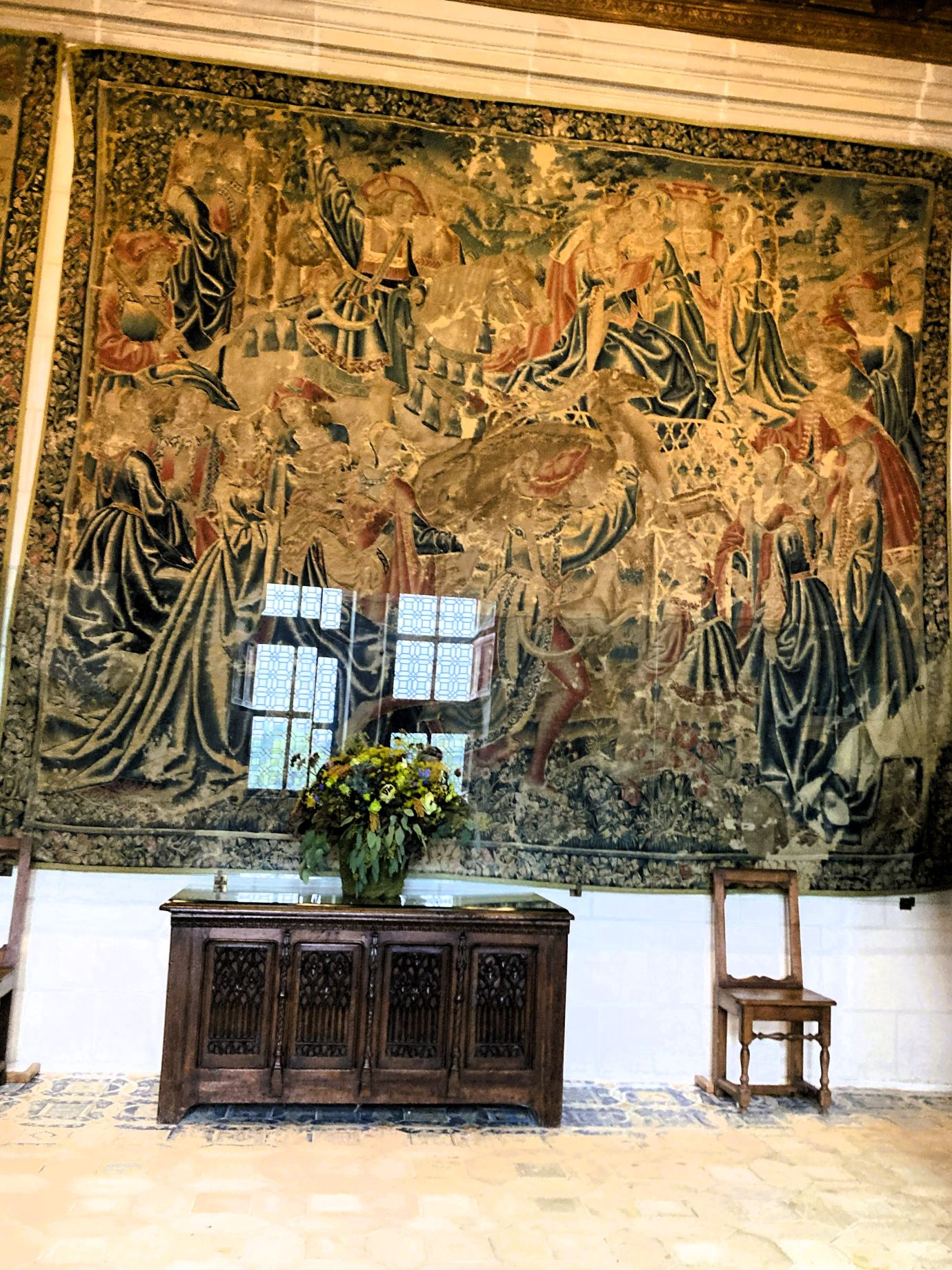
- Rich histories: From influential women designers and owners to wartime hospital-use, every corner has story potential.
- Gardens & seasonal beauty: Over 130,000 bedding plants in summer, and views that shift with seasons. France+1
- Preservation & service: Historic buildings cost a lot to maintain; visiting supports that work. (Often cited in reviews.) pariscityvision.com
Travel & Planning Hacks
- Arrive early: Before 10am is best for soft light and fewer crowds.
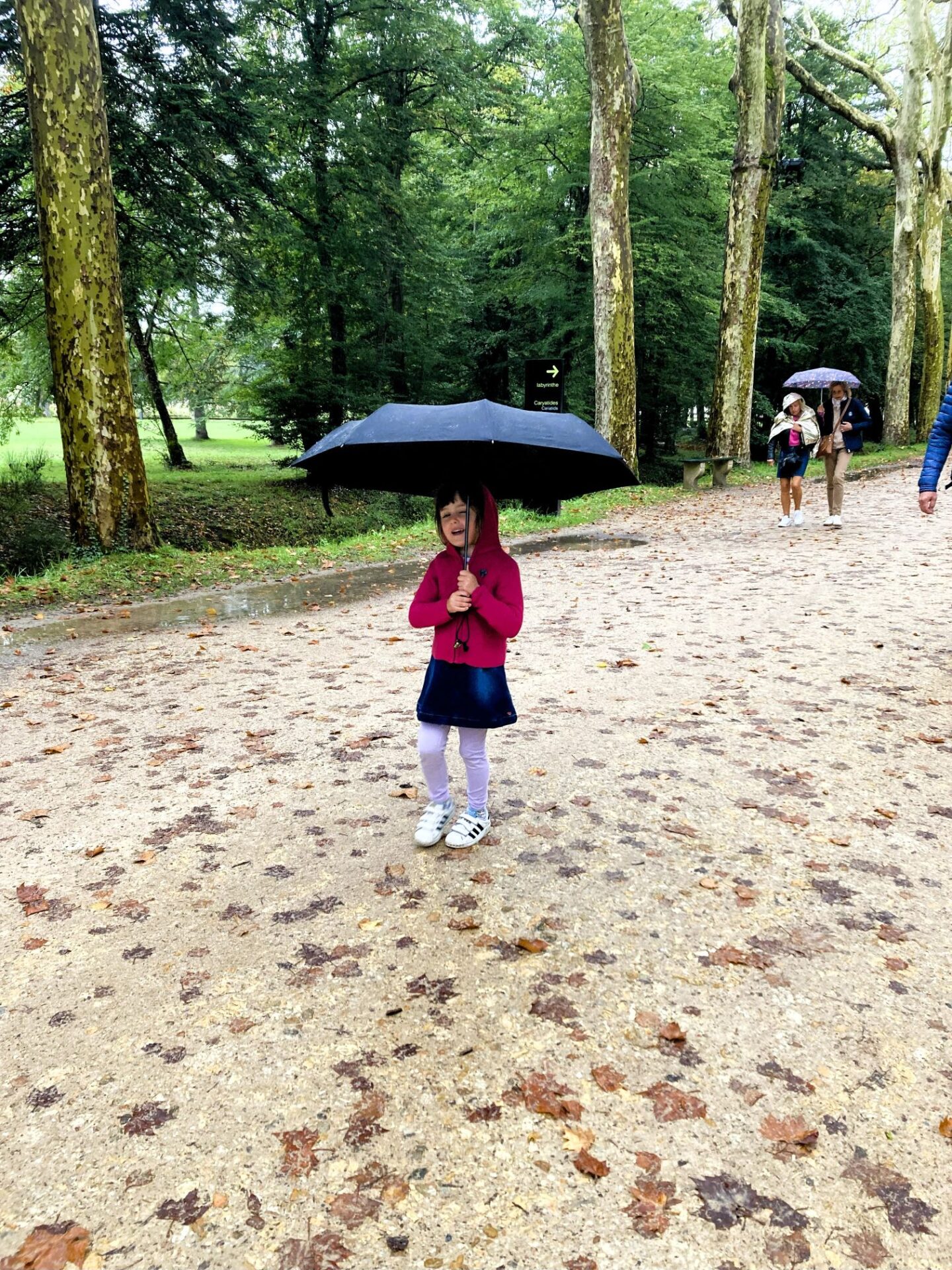
- Dress & wellness tie-in: The terrain is cobbled and sometimes slippery near the river — wear stylish but practical shoes (as fits your channel style of “stylish, wellness-conscious traveller”).
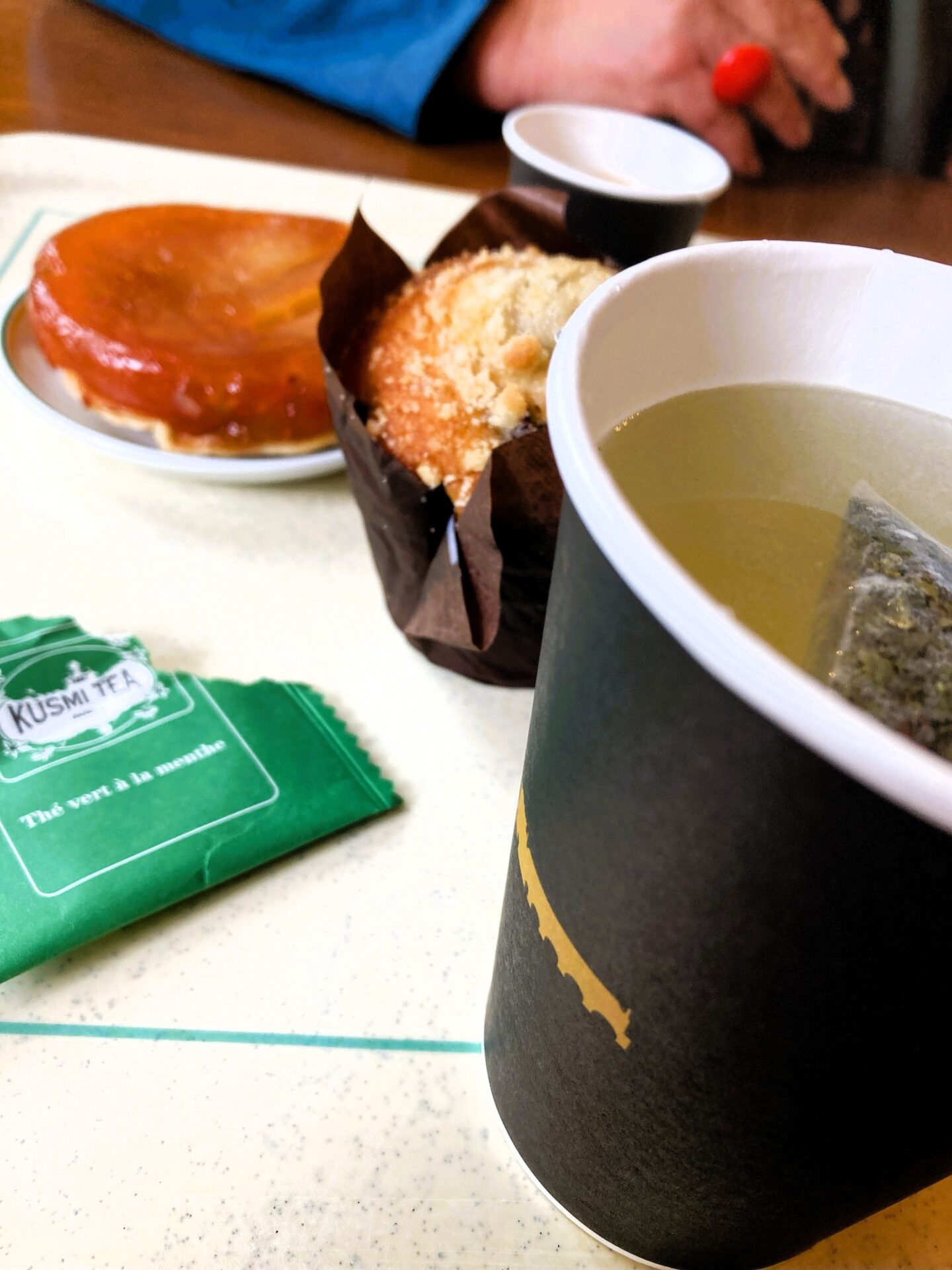
- Light snack strategy: Since you prefer lighter eats, pack a healthy snack or plan a light garden-side picnic (there are picnic areas). Loire Valley Tickets
- Golden hour magic: If you wait until later afternoon, the stone takes a warm glow — perfect for your cinematic filming style.
- Stay longer in the gardens: Many visitors rush the château and miss the gardens — allocate time for both for full value.
Is it worth of visit?
Visiting Château de Chenonceau is more than ticking a box — it’s stepping into a world where architecture meets personality, history meets femininity, and aesthetics meet substance.
The Story Behind Château de Chenonceau
Beneath its perfect arches and flower-lined corridors lies a story that’s anything but peaceful.
Chenonceau was built, loved, and fought over by women — women who left their hearts in stone.
It began with Diane de Poitiers, the king’s beloved, who turned a simple manor into a masterpiece stretching across the River Cher. She filled it with art, gardens, and grace — until the King’s widow, Catherine de’ Medici, took it all back. Catherine expelled Diane and claimed Chenonceau as her own, transforming it into the glittering center of royal life.
Later, during the Enlightenment, Madame Dupin hosted philosophers like Rousseau in the same halls — protecting the château from destruction during the Revolution simply by saying, “This castle belongs to the people.”
Every era left a mark — of love, jealousy, intellect, and survival.
That’s what makes Chenonceau more than just a castle.
It’s a mirror of human emotion — timeless, feminine, and alive.
So when you walk its halls or cross its bridge, you’re not just visiting history — you’re walking through the dreams of women who refused to be forgotten.
If you found this guide helpful and inspirational, SUBSCRIBE for more “stylish, wellness-inspired travel” tips. Tell me in the comments: when you visit a place like this, do you go for the “style scene” or the “deep story” (history, design, hidden facts)? I’d love to hear.


Share this: MIYA Elsewhere


Find me on: Web
